Work Tech Weekly
Host Steve Smith, Managing Director of Growth at Rep Cap and author of the Work Tech Weekly e-newsletter, offers a weekly inside look at what’s really going on in the Work Tech industry. Steve talks with tech company founders, executives, investors, influencers, and analysts about the whole messy gamut of AI, HR tech, funding, acquisitions, and the strange little signals that say more than the headlines.
The WTW Podcast is built for people who want context fast and don’t need everything sanded down to sound polite. The conversations are candid, sometimes messy, and usually useful. If you’ve ever thought,...Show more
All Episodes
Stop Blaming ‘The Market’
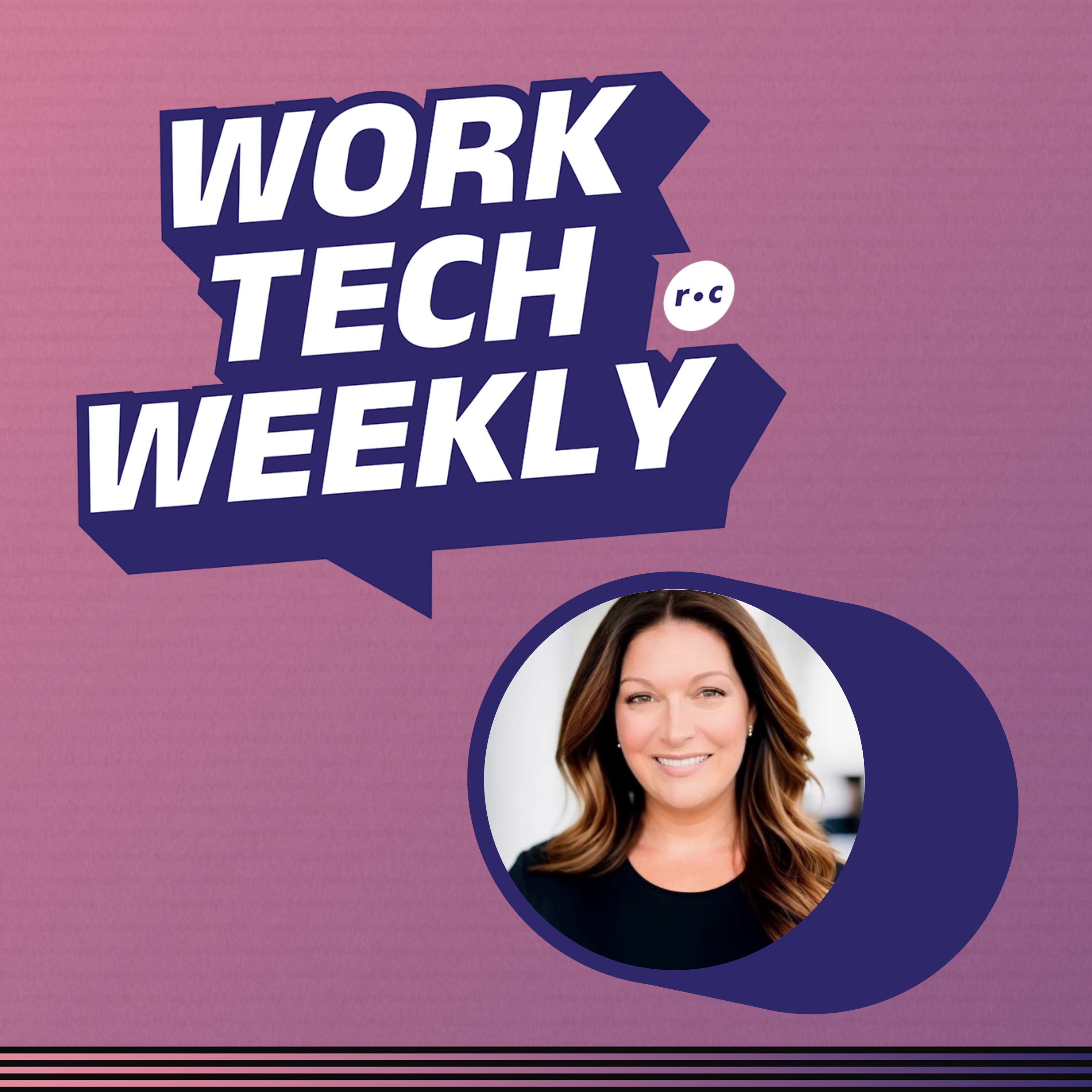
"The market just isn't ready for us." After 20 years advising HR tech founders, executives, and investors, Sarah White has heard that line more times than she can count — and she has zero patience for it. In this episode of Work Tech Weekly, Sarah joins Steve Smith to break down what's really stalling growth, killing deals, and quietly holding HR tech teams back. They dig into why unclear positioning costs you customers and acquisitions, how a $100M company was leaving growth on the table because of internal misalignment, and where AI is reshaping the work tech stack faster than most people realize. If you're a founder, executive, or investor wondering why you’re stuck in neutral, this conversation will give you a sharper lens on what's actually going wrong — and how to fix it. In this episode: • Why "the market isn't ready" is almost always a go-to-market problem • How messaging mistakes kill acquisitions before a deal ever closes • The internal alignment gap that's holding more companies back than they realize • Where AI is quietly reshaping payroll, workforce management, and learning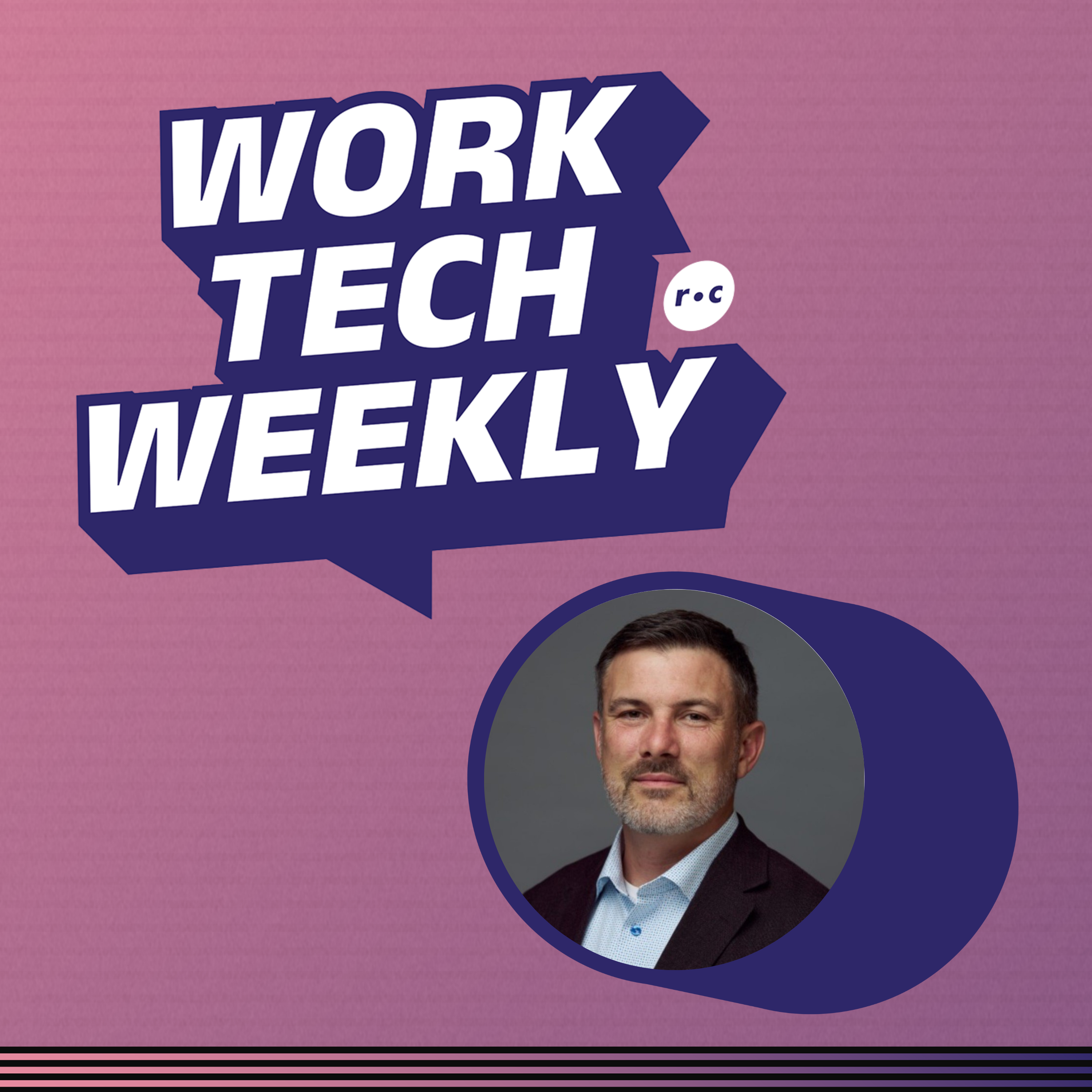
Measuring Power Skills: How AI Can Transform Talent Assessment
AI didn’t just speed up work. It changed what matters at work. For decades, talent assessments measured traits, cognitive ability, and technical skills. That made sense when roles were stable and hard skills lasted longer than your iPhone upgrade cycle. But now? AI handles more of the execution. Technical skills commoditize fast. And the real differentiator isn’t what you know — it’s how you think. In this episode of Work Tech Weekly, I sit down with Dustin Clinard, CEO of Ignis AI, to talk about what happens when the baseline shifts but our measurement tools don’t. We dig into why traditional assessments may be misaligned with the AI era and whether human skills have quietly become the hardest skills of all. AI can now build a presentation deck in seconds — probably better than you can. But can it decide what story the deck should tell? “The part that [AI] can't do is think, ‘What do I want it to say and in what order?’ That's my judgment call to make,” Dustin says. “Once I decide that, the building-it part can happen really quickly.” If AI is accelerating execution, judgment becomes the edge. The question is: can we measure it? If you’re rethinking hiring, development, or what performance actually looks like in an AI-first world, this one’s for you.
Work Tech Funding 2026: Things May Be “Back,” But Nothing Feels Normal
From an investment perspective, the Work Tech market in 2026 looks… oddly healthy. The charts are trending up, capital is flowing again, and 2025 clocked in at $6.24 billion in funding — the third-biggest year the sector has ever had. On paper, it’s momentum, if you’re brave enough to say it out loud. However, most founders’ lived reality feels so far from OK. In this episode, we are talking with George LaRocque, the Founder and Chief Analyst at WorkTech (the research and advisory firm, not this podcast … yes, I know it’s confusing.) We break down his 2025 Work Tech investment recap because he has some of the best research and clearest views in the industry on what’s happening beneath the surface of Work Tech: where investors are placing bets, where buyers are actually spending, and which companies may not survive this cycle. We dig into today’s somewhat paradoxical and often contradictory Work Tech investment dynamics. The disconnect is psychological and structural: Investors see stability, founders feel selectivity. Raising isn’t about having a cool AI story anymore — it’s about adoption, ROI, survival.
How Hiring Turned Into a Trust Problem (And Why AI Might Actually Fix It)
Why do hiring processes collapse under volume? Why has “perfect fit” made trust disappear from recruiting? Can AI be both a problem and a solution? Where the hell is Left Miami? In this episode of the Work Tech Weekly podcast, Steve Smith talks with Claire McTaggart — founder and CEO of SquarePeg — about how modern hiring systems trained candidates to game the process, and why recruiters are now drowning in low-signal applicants. Drawing on real-world fraud investigations and hands-on work with talent teams, Claire explains how keyword-driven screening flattened resumes into sameness, why asking HR to police fraud is unsustainable and how incentives created today’s mess. They also discuss where AI has amplified the problem, where it can actually help, and what changes would be required for screening tools to reward authenticity, context and real capability again.